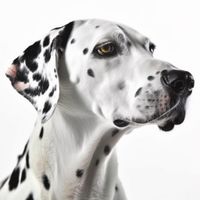
Vizsla vs Golden Retriever vs Dalmatian
Three friendly breeds enter—one emerges as your best match. Use the trait grids below to spot practical differences in lifestyle fit.
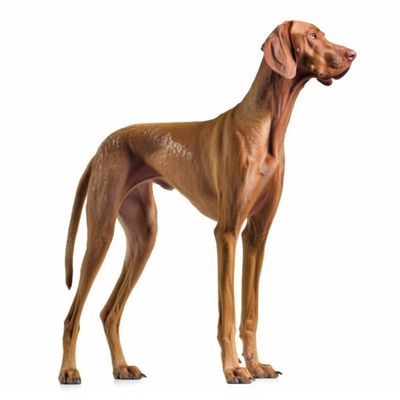
Vizslas are medium-sized dogs, weighing 45-65 lbs, with a height of 21-24 inches.
Vizslas have a high energy level and require plenty of exercise and mental stimulation.
Vizslas need a significant amount of exercise, including daily walks, runs, and interactive play sessions.
Vizslas are intelligent and eager to please, making them easy to train with positive reinforcement.
Vizslas are highly intelligent dogs and excel in various dog sports and activities.
Vizslas can adapt to various living situations, but they thrive in active households that can provide ample exercise.
Vizslas are generally good with children when properly socialized and can be energetic playmates.
Vizslas can get along well with other pets, especially when raised together.
Vizslas have short coats and may not be well-suited to extremely cold climates without proper protection.
Vizslas can tolerate hot climates, but they need to be monitored for signs of overheating during exercise.
Vizslas have short coats and shed minimally, making them low-maintenance in terms of grooming.
Vizslas require minimal grooming, with occasional brushing and bathing to keep their coats clean and healthy.
Vizslas have average bark tendencies and may bark for various reasons, such as alerting their owners or during playtime.
Vizslas are generally healthy, but regular veterinary checkups and preventative care are still necessary.

Golden Retrievers weigh 55-75 lbs and stand 21-24 inches tall, boasting a strong and balanced build.
Goldens are enthusiastic and lively, always up for a game of fetch or a long walk in the park.
Daily exercise like walks, runs, or playtime is essential for a healthy and happy Golden.
Intelligent and eager to please, Goldens are a dream to train for both first-time and experienced owners.
Golden Retrievers are fast learners, excelling in problem-solving and grasping new skills.
Goldens adapt well to various living situations, from urban apartments to spacious rural homes.
Loving and patient, Golden Retrievers are gentle playmates and excellent family dogs.
Goldens are sociable and friendly, getting along with other dogs, cats, and even smaller pets.
Their dense double coats help them tolerate cold weather, but they still need warmth and shelter.
Goldens can cope with hot climates, but ensure they have shade, water, and avoid overexertion.
Goldens shed, especially during seasonal coat changes. Regular grooming helps manage shedding.
Routine brushing keeps a Golden's coat healthy, tangle-free, and controls shedding.
Golden Retrievers have average bark tendencies and may bark for various reasons, such as alerting their owners or during playtime.
Golden Retrievers are generally healthy, but regular veterinary checkups and preventative care are still necessary.
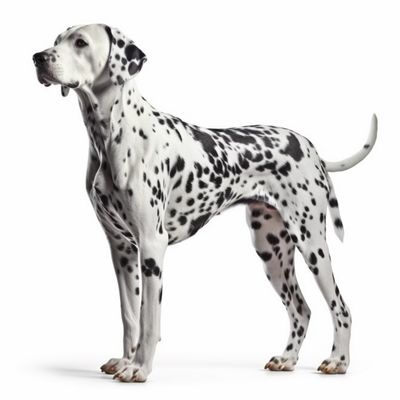
Dalmatians are large-sized dogs, weighing 45-70 lbs, with a height of 19-24 inches.
Dalmatians have a high energy level, requiring plenty of exercise and mental stimulation to stay happy and healthy.
Dalmatians need regular and vigorous exercise, including daily walks, runs, and playtime, to keep them fit and content.
Dalmatians are intelligent and trainable, but can be independent-minded at times. Consistent, positive reinforcement is key.
Dalmatians are intelligent dogs, capable of learning a variety of commands and tasks quickly.
Dalmatians can adapt to different living situations, but they require enough space to move comfortably and regular exercise.
Dalmatians can be good with children due to their playful and affectionate nature, but their energy level requires supervision and proper handling.
Dalmatians can get along well with other pets, especially when raised together. However, early socialization is important.
Dalmatians can tolerate colder temperatures, but their short coats require proper protection during extreme cold.
Dalmatians can tolerate hot climates, but they need to be monitored for signs of overheating during exercise.
Dalmatians have a short coat and shed moderately, requiring regular brushing to manage shedding.
Dalmatians require minimal grooming, including occasional brushing and bathing to keep their coats clean and healthy.
Dalmatians have average bark tendencies and may bark for various reasons, such as alerting their owners or during playtime.
Dalmatians are generally healthy, but regular veterinary checkups and preventative care are still necessary.