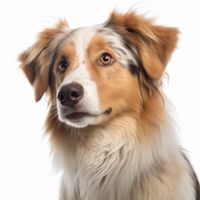
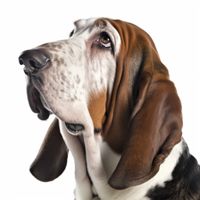
Australian Shepherd vs Basset Hound vs Labrador Retriever
Three friendly breeds enter—one emerges as your best match. Use the trait grids below to spot practical differences in lifestyle fit.
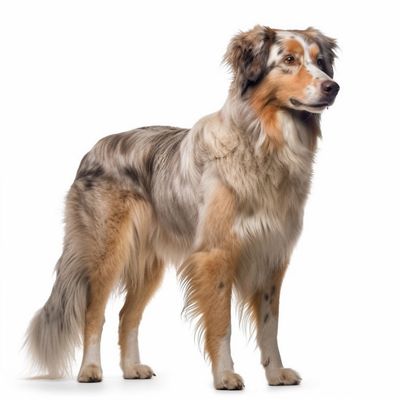
Australian Shepherds are medium-sized dogs, standing 18-23 inches tall and weighing 40-65 lbs.
Australian Shepherds have high energy levels, requiring plenty of exercise and mental stimulation.
Australian Shepherds need lots of daily exercise, including walks, runs, and activities like agility, herding, or obedience training.
Australian Shepherds are intelligent and eager to learn, making them highly trainable with positive reinforcement and consistent training.
Australian Shepherds are highly intelligent and excel at problem-solving and learning new tasks.
Australian Shepherds are adaptable but thrive best in an active household with space to exercise and work.
Australian Shepherds can be good with children, especially when properly socialized and supervised.
Australian Shepherds generally get along well with other pets when properly socialized, although their herding instincts may cause them to chase or herd smaller animals.
Australian Shepherds have a double coat that provides insulation, allowing them to handle colder climates well.
Australian Shepherds can tolerate heat, but they should be provided with shade, water, and limited exercise during the hottest parts of the day.
Australian Shepherds have a double coat that sheds seasonally, requiring regular grooming to remove dead hair.
Australian Shepherds require regular grooming, including brushing at least once a week and more frequently during shedding seasons.
Australian Shepherds have average bark tendencies and may bark for various reasons, such as alerting their owners or during playtime.
Australian Shepherds may experience some health issues and require additional care and attention, such as regular veterinary checkups, preventative care, and potential medication or treatments.
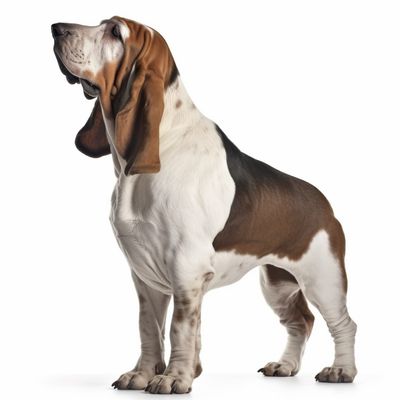
Basset Hounds are medium-sized dogs, weighing 40-65 lbs, with a height of 11-15 inches.
Basset Hounds have a low energy level, enjoying leisurely walks and plenty of relaxation time.
Basset Hounds need minimal exercise, including short daily walks and playtime, to keep them happy and healthy.
Basset Hounds are intelligent but can be stubborn, making training a challenge. Consistent, positive reinforcement is key.
Basset Hounds are intelligent dogs, capable of learning a variety of commands and tasks, but their independent nature can make training challenging.
Basset Hounds can adapt to different living situations, but they require enough space to move comfortably and regular grooming.
Basset Hounds are gentle and patient, making them good with children when properly supervised.
Basset Hounds can get along well with other pets, especially when raised together. Early socialization is important.
Basset Hounds can tolerate colder temperatures, but their short coats require proper protection during extreme cold.
Basset Hounds can tolerate hot climates, but they need to be monitored for signs of overheating during exercise.
Basset Hounds have a short coat and shed moderately, requiring regular brushing to manage shedding.
Basset Hounds require regular grooming, including frequent brushing and occasional bathing to keep their coats clean and healthy. Their ears also require regular cleaning.
Basset Hounds bark occasionally, usually only when necessary or provoked.
Basset Hounds may experience some health issues and require additional care and attention, such as regular veterinary checkups, preventative care, and potential medication or treatments.
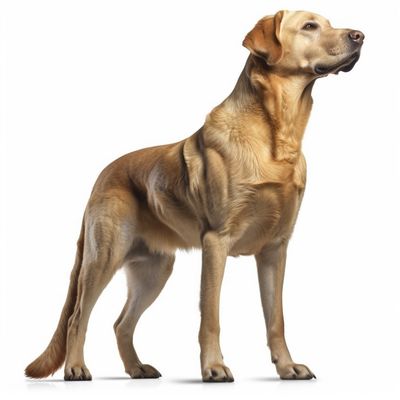
Labs are energetic and playful, always ready for adventure or a fun game of fetch.
Keep your Lab happy and fit with daily exercise like walks, runs, or playtime.
Labs are eager to please, making them a breeze to train for both beginners and experts.
Labs adapt to various environments and lifestyles, from city apartments to country homes.
Known as gentle giants, Labs are patient, loving, and fantastic playmates for children.
Friendly and sociable, Labs get along swimmingly with other dogs and even cats.
Labs' double coats help them handle cold weather, but they still need shelter and warmth.
Labs can manage hot climates, but provide shade, water, and avoid excessive exercise.
Expect Labs to shed, especially during seasonal coat changes. Keep that brush handy!
Labrador Retrievers have average bark tendencies and may bark for various reasons, such as alerting their owners or during playtime.
Labrador Retrievers are generally healthy, but regular veterinary checkups and preventative care are still necessary.